
Climate change is not gender neutral and neither are its solutions. Across the Global Majority, women are on the frontlines of environmental crises, yet are too often excluded from the decisions shaping their futures. Climate justice goes beyond policy. It is about leadership — the ability to organize, advocate, and transform communities from within.
In Central Asia, WLP’s partner in Kazakhstan, Shymkent Women’s Resource Center (SWRC) is advancing this vision by equipping women and allies with the tools to turn climate vulnerability into collective action.
Where Leadership Meets Climate Justice
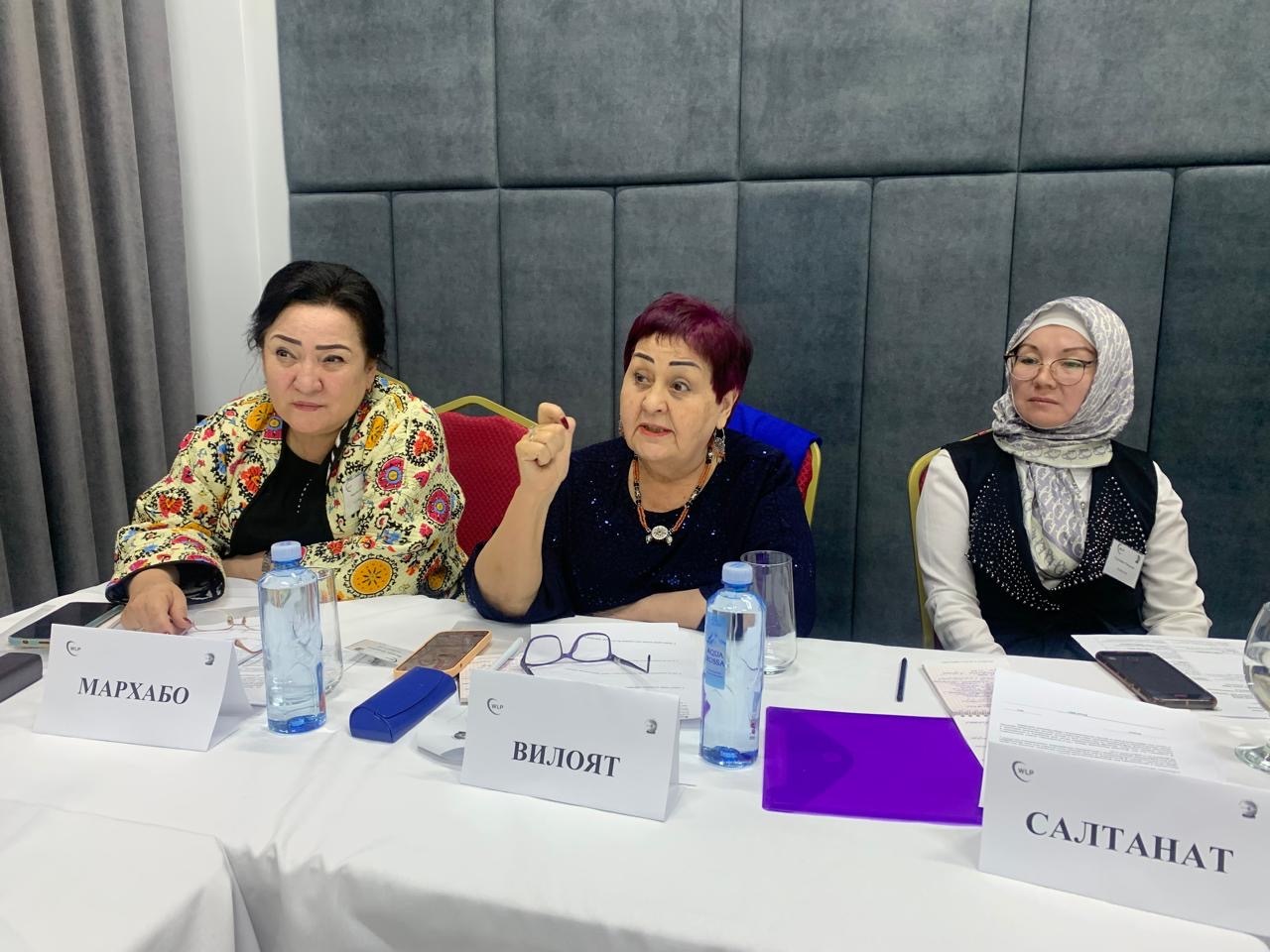
Over the past two years, SWRC has led a series of Regional and National Training-of-Trainers (TOTs) programs using WLP’s new manual Climate Action for Climate Justice. These trainings go beyond awareness. They build leadership capacity by deepening understanding and developing crucial leadership skills as they train activists on international human rights frameworks. At the trainings, WLP facilitators introduce participants to the structured dimensions of climate injustice, and impart a sophisticated understanding of climate justice, gender, and environmental racism.
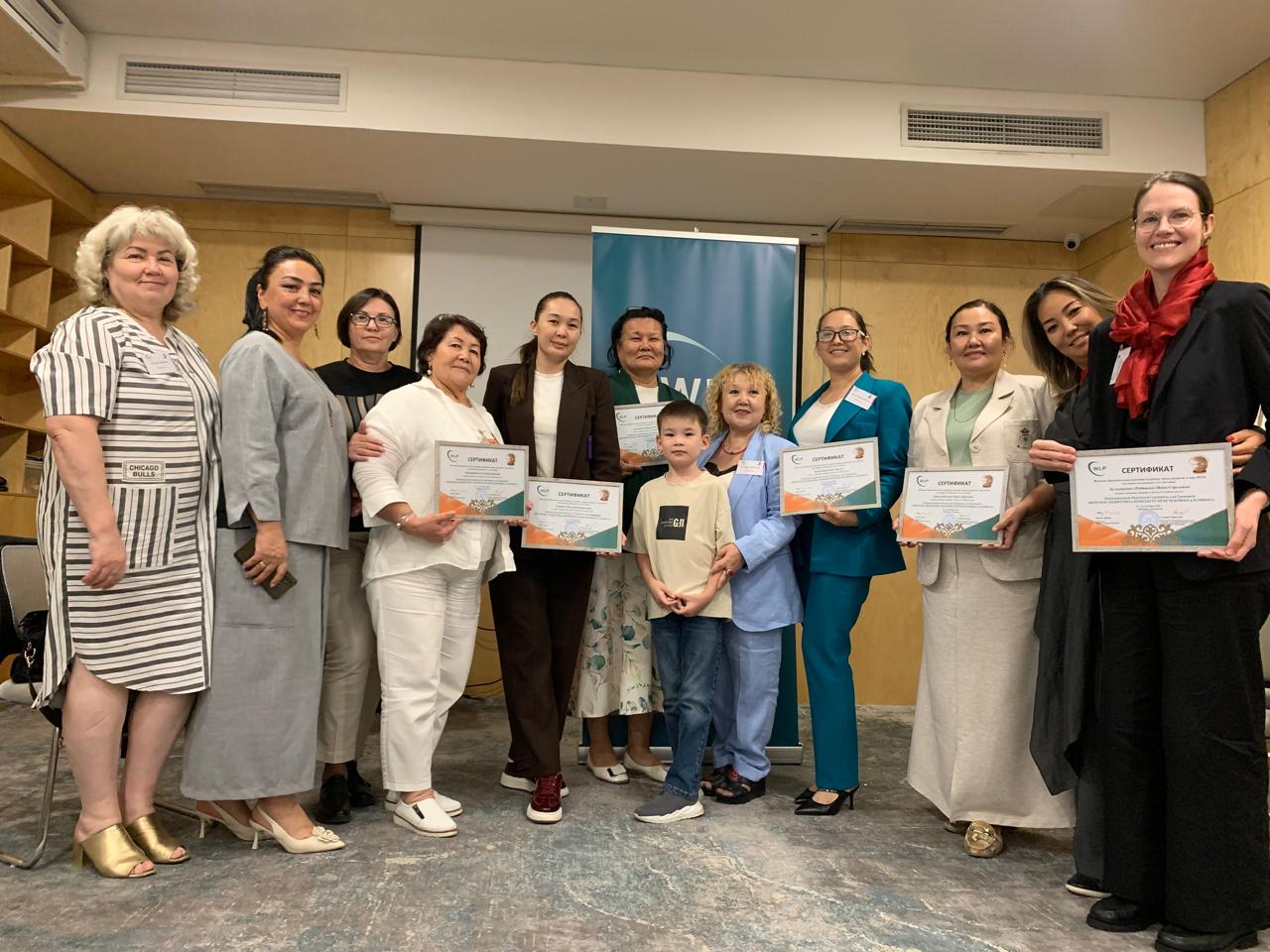
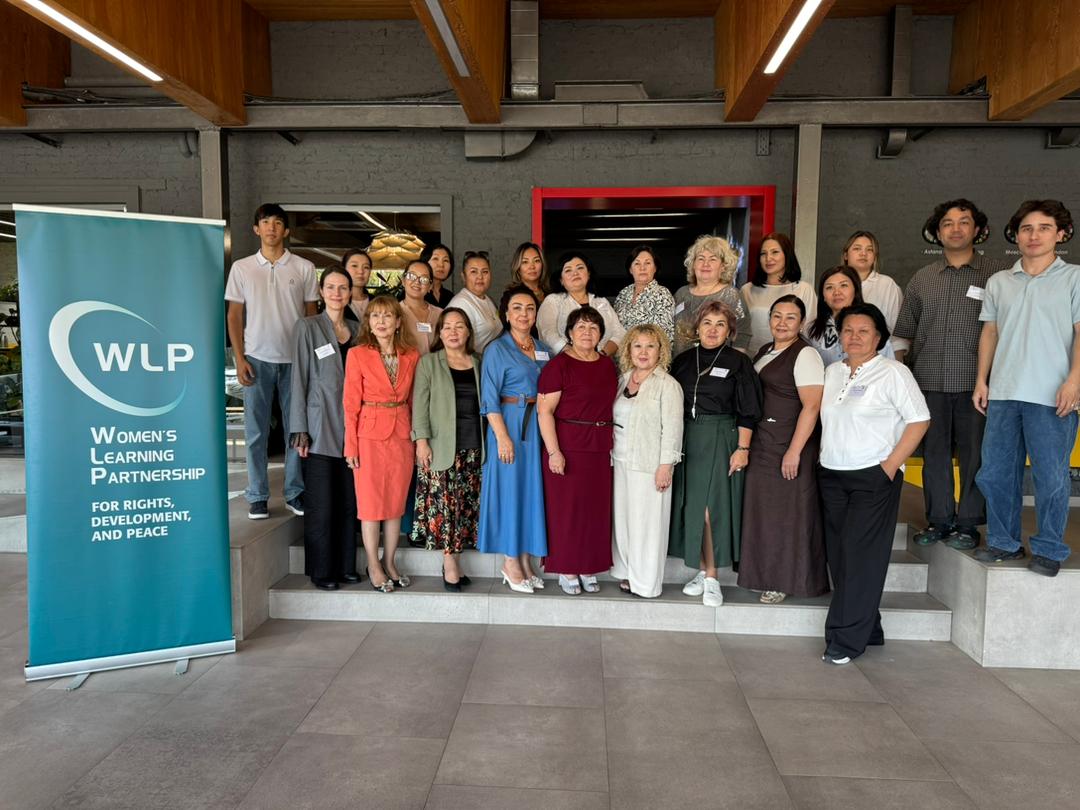
To date, the TOTs have trained over a hundred activists, civil society representatives, and professionals from across Kazakhstan, Kyrgyzstan, Tajikistan, and Uzbekistan.
At the core of this approach is a simple but often overlooked truth: climate justice cannot be achieved without women’s leadership.
Each training integrates WLP’s participatory leadership methodology with an intersectional climate justice lens, connecting environmental degradation to broader systems of inequality. For many participants, these frameworks give language to lived realities.
“Climate justice is inextricably linked with the protection and promotion of human rights, striving to create a more sustainable and just society.” - Viloyat Mirzoyeva (SWRC Participant)
A Regional Movement in the Making
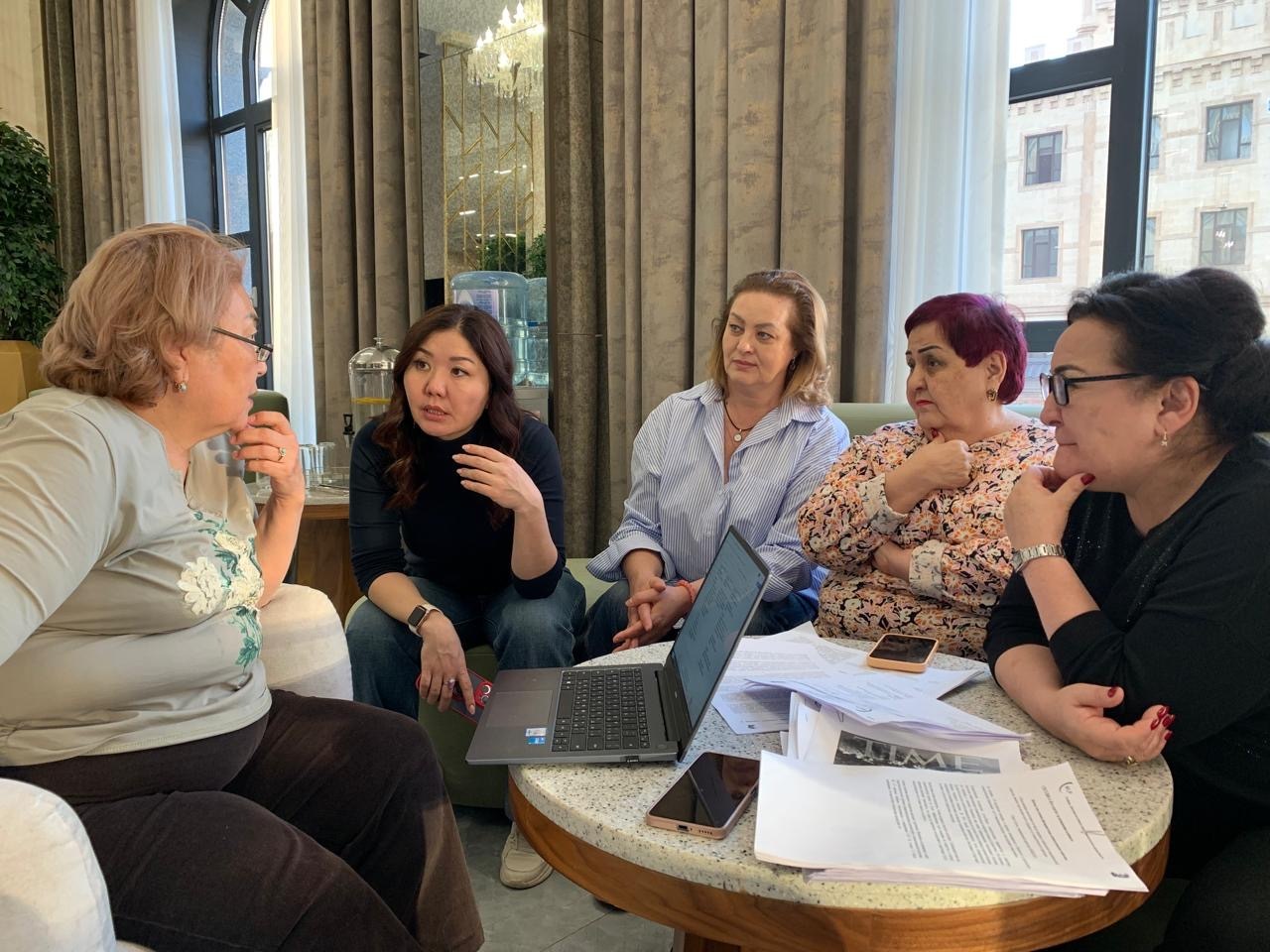
What distinguishes this initiative is its regional dimensions. By convening activists from across Central Asia, SWRC creates space for shared learning, cross-border exchange, and collective strategy. Participants gain insight into both local and regional climate impacts, while building networks that extend beyond national boundaries.
These are not one-directional trainings. They are spaces of mutual learning, where participants bring expertise, adapt strategies, and return home with strengthened approaches.
“This training provided inspiration, new ideas, and a boost of energy for further development.” - Bayan Aymakhanbetova (SWRC Participant)
For example, Marhabo Olimi, who has contributed to national working groups in Tajikistan, gained new knowledge on Kazakhstan’s legal frameworks for gender-responsive climate action. This exchange is already strengthening contributions to policy processes in Tajikistan.
Building a Community of Climate Activists
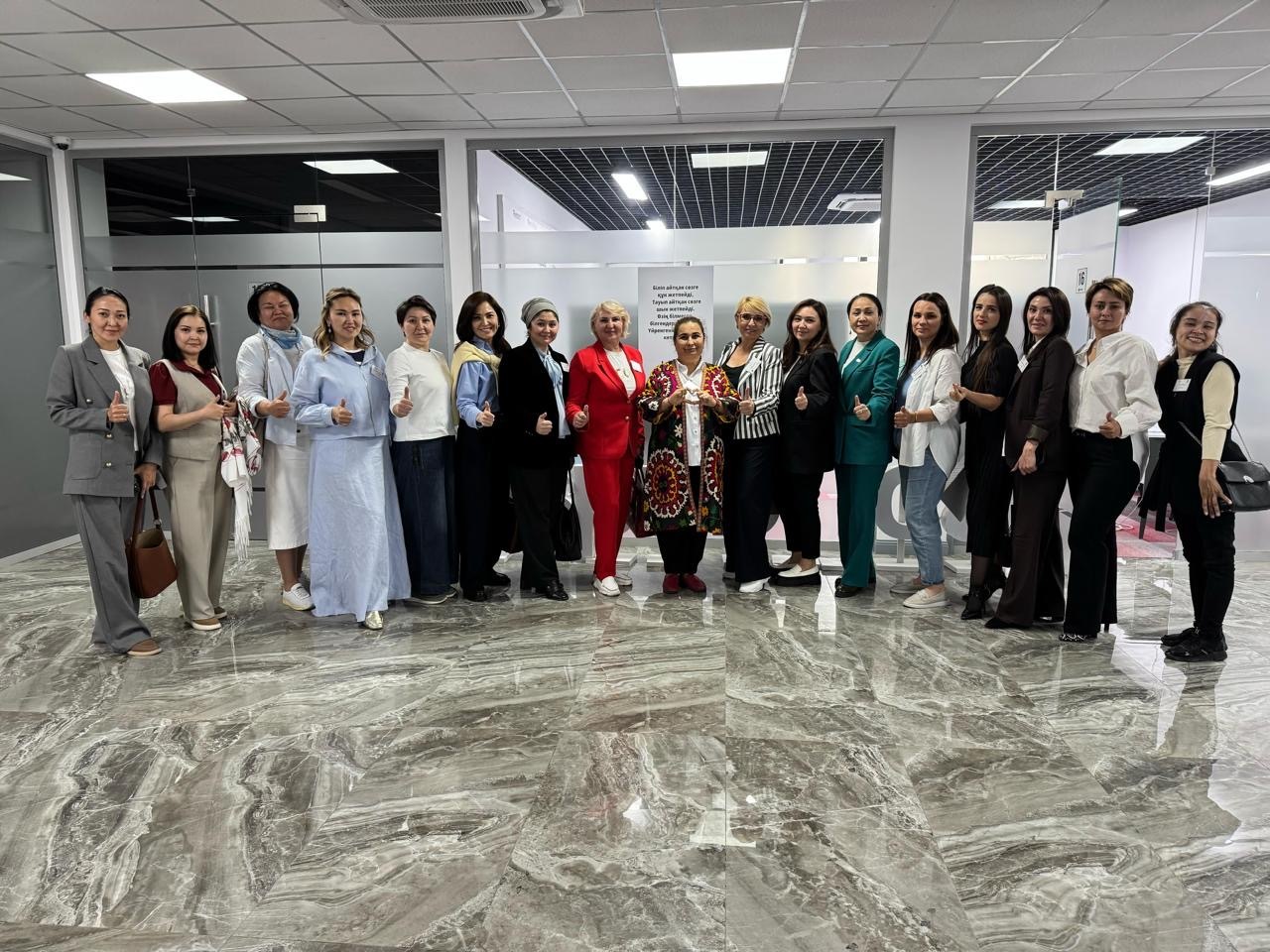
The impact of this program extends well beyond the training room. Within three months of completing a TOT, participants organized over a dozen follow-up workshops, reaching more than 300 people across the region. They adapted the curriculum to diverse contexts — integrating climate justice into agriculture, youth organizing, policy advocacy, and anti-violence initiatives.
“[I learned] how important it is to take into account environmental aspects in agriculture, and how they affect sustainable development. I want to integrate the knowledge I learned into [my work].” - Babayev Bakhodir (SWRC Participant)
Participants are not only applying knowledge, they are shaping how climate justice is understood and practiced.
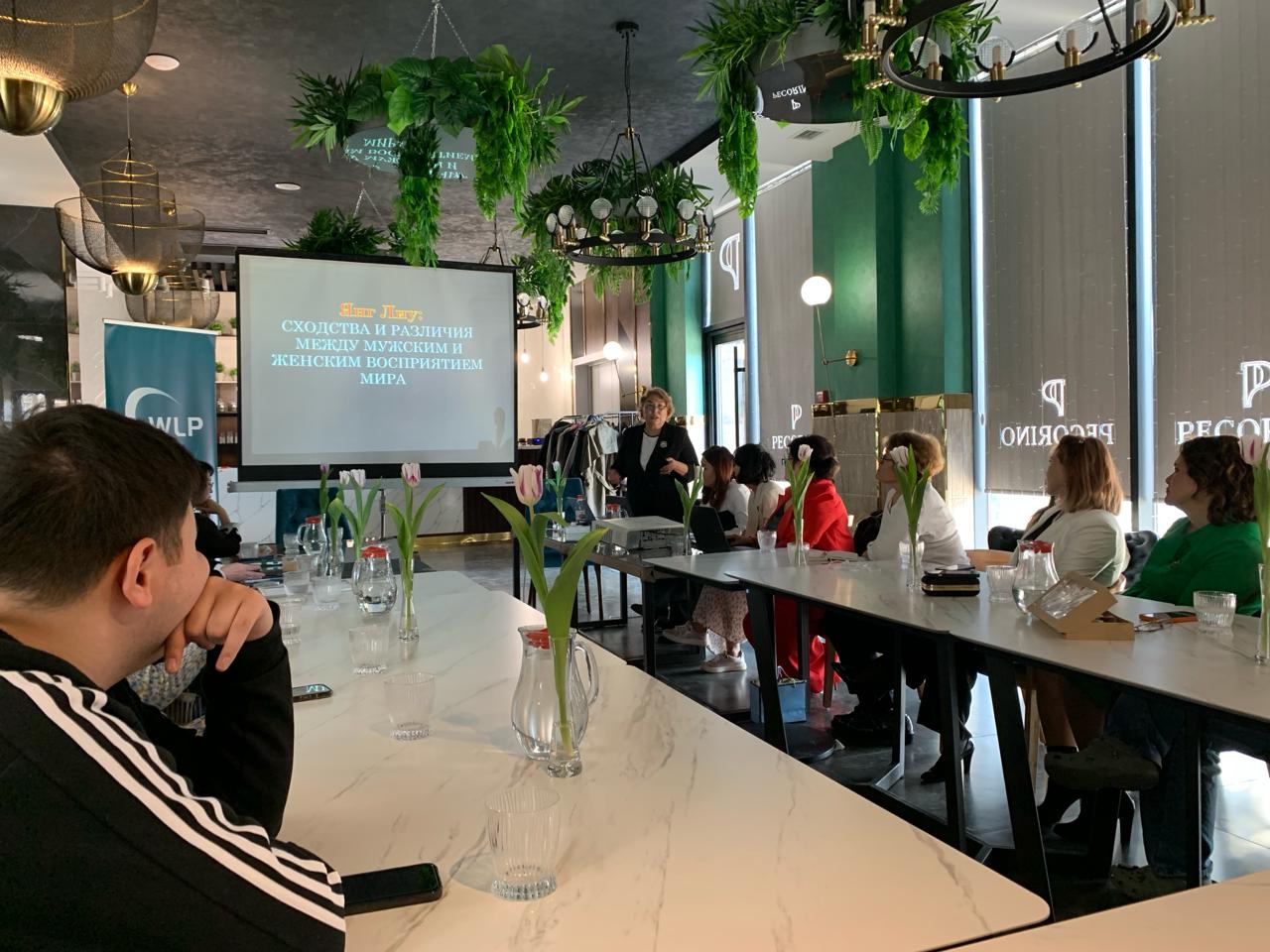
In Tajikistan, Masrura Sidikova, head of the organization Dakhr, led a seminar during the 16 Days of Activism Against Gender-Based Violence, linking climate change to domestic violence and women’s rights protection.
In Uzbekistan, Nargis Ziyavatdinova, used the new WLP Climate Action for Climate Justice manual to conduct a training session for youth in her region.
In Kazakhstan, Kuralay Karakulova, a WLP global facilitator, supported rural communities in Maraldy to organize against a proposed gold mining project threatening their environment. Following the leadership training, residents launched a YouTube channel, engaged media, and filed formal complaints.
“I am inspired to create a new project aimed at raising awareness among women in my community about climate change issues and ways to fight for justice.” - Symbat Kuntuganova (SWRC Participant)
This is the ripple effect WLP is designed to create. By investing in local leadership and regional networks, the Partnership strengthens the infrastructure needed for sustained climate justice movements. Knowledge is shared, adapted, and scaled across contexts, turning individual learning into collective power.
The Future of Climate Justice is Feminist
Climate solutions that ignore lived experiences and feminist voices will fall short of creating sustainable change. In Central Asia, WLP and our partners are demonstrating a different path — one that is rooted in local leadership, regional solidarity, and sustained movement building. Through initiatives like the Central Asia TOT program, women are not only responding to climate challenges, they are shaping the policies, systems and narratives that will define climate justice in the years ahead.