
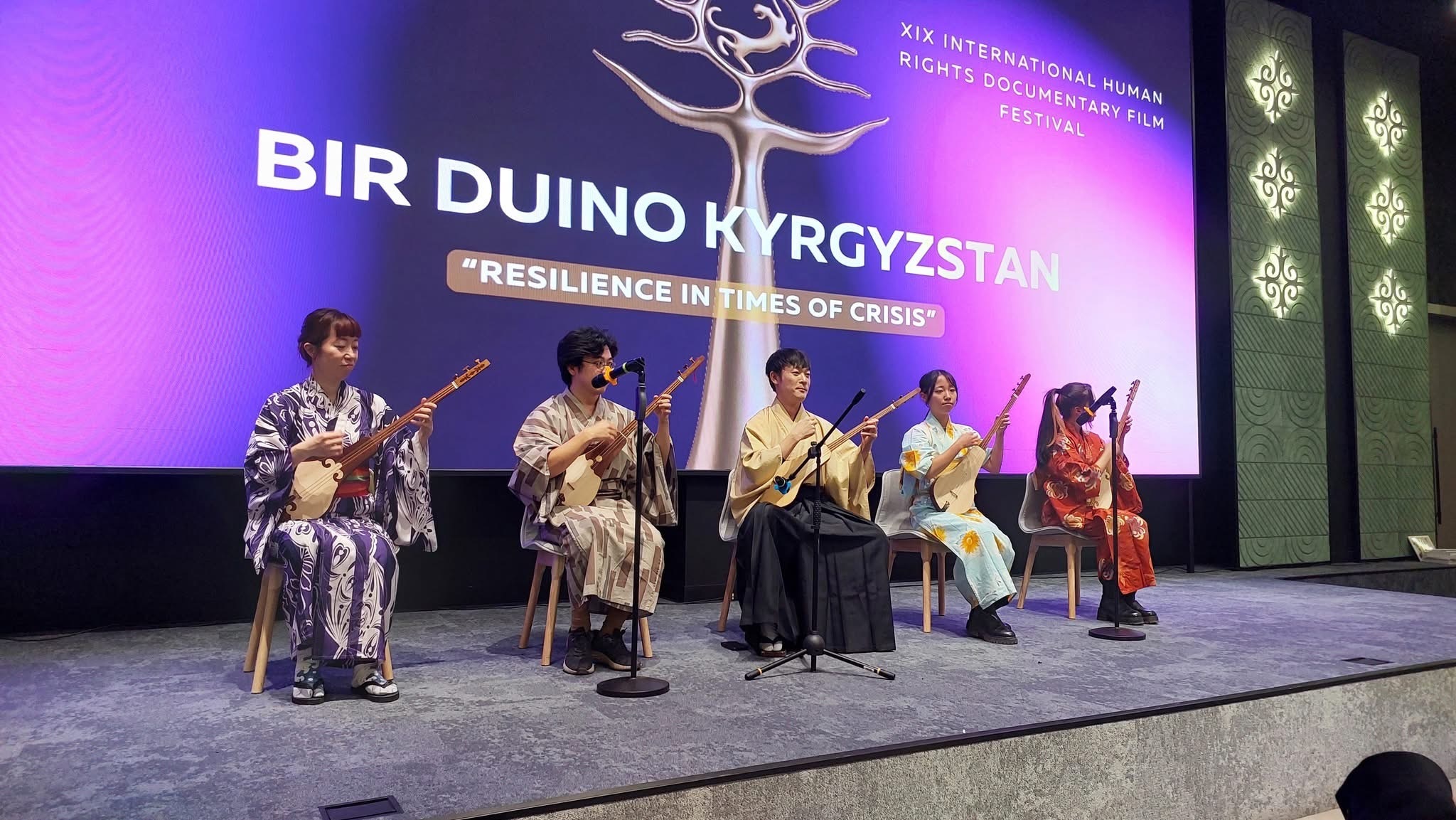
As civic space shrinks and global crises deepen, women-led movements are increasingly turning to narrative power and artivism to defend human rights, shift culture, and sustain democratic values. Through Women’s Learning Partnership’s global alliance of feminist organizations, partners like Bir Duino in Kyrgyzstan are creating spaces where storytelling, civic leadership, and public dialogue intersect.
From December 12–16, WLP’s long-standing partner Bir Duino hosted the 19th International Human Rights Documentary Film Festival under the theme “Resilience in Times of Crisis.” For nearly two decades, the festival has served as a vital platform for documentary filmmakers, human rights defenders, cultural workers, and civil society actors to challenge dominant narratives, document lived realities, and expand public imagination, especially at moments when open civic engagement is under threat.
This year’s festival held particular significance, marking the 80th anniversary of the United Nations and the 50th anniversary of the Helsinki Final Act, milestones that underscore the enduring importance of international cooperation, human dignity, and democratic principles at a time when they are increasingly contested.
Stories of Strength and Resistance
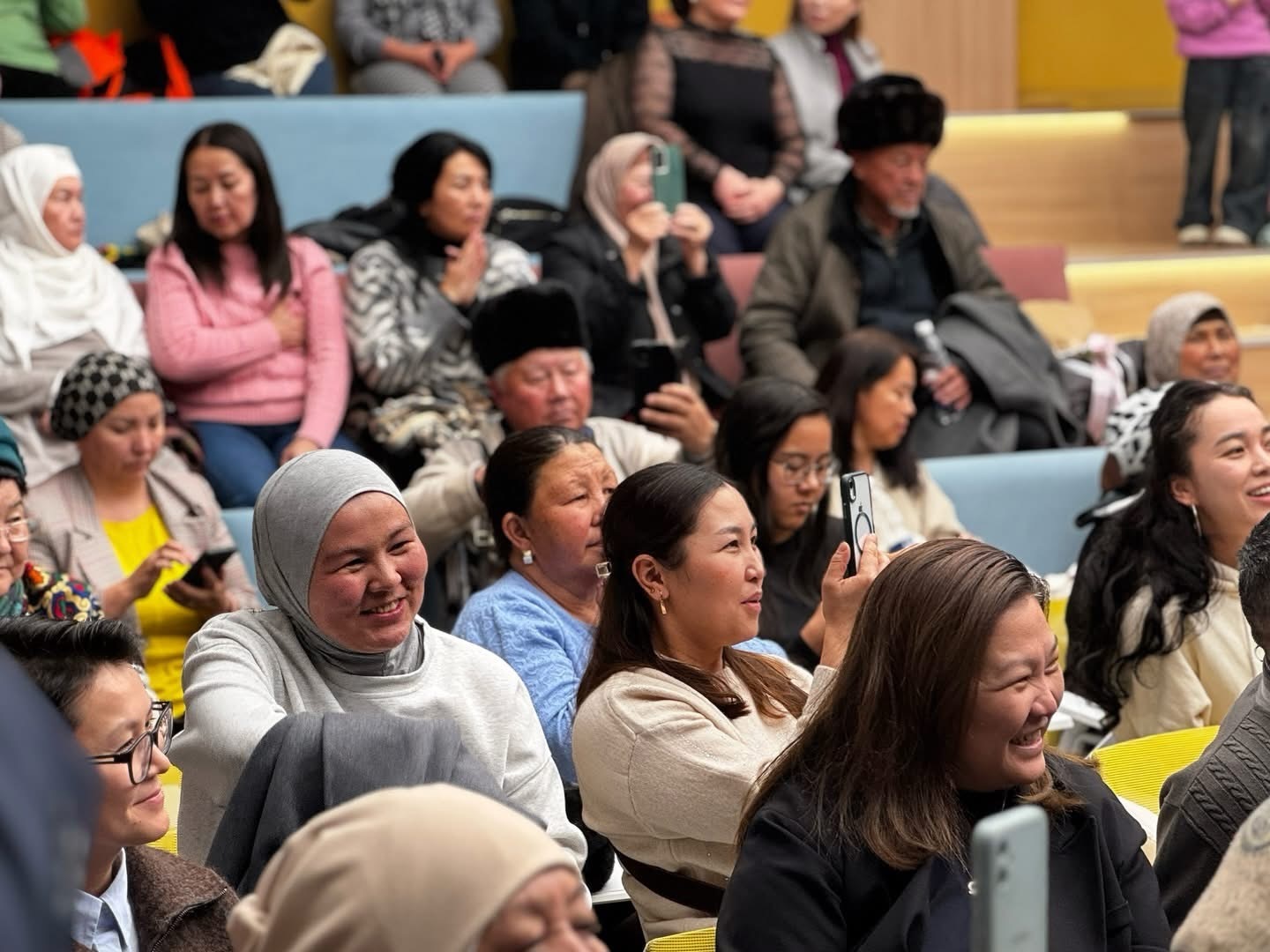
In a world grappling with climate, humanitarian, and social crises, rising inequality, and threats to democratic institutions, the festival's theme of resilience resonates now more than ever. The program showcased 22 films from around the world, highlighting individuals preserving dignity and resilience in the face of social, political, and environmental challenges.
Their stories explore the rights of women and children, freedom of expression, access to education, cultural heritage protection, and humanity’s relationship with nature. In capturing these realities, documentary cinema becomes not only a mirror of society but also a catalyst for change.
The festival also invested in the next generation of storytellers through its youth program, “Breakthrough.” The program provided young filmmakers and students with the opportunity to present their own documentaries, while fostering a new generation of directors able to speak openly about social change and reaching broader audiences through film.
Beyond screenings, Bir Duino offered discussion labs, roundtables, and training workshops on issues ranging from combating disinformation and promoting civic space to empowering women and youth leadership, providing activists with practical tools, strategies, and networks to drive change in their communities.
Bringing Youth Experiences from Morocco to Kyrgyzstan
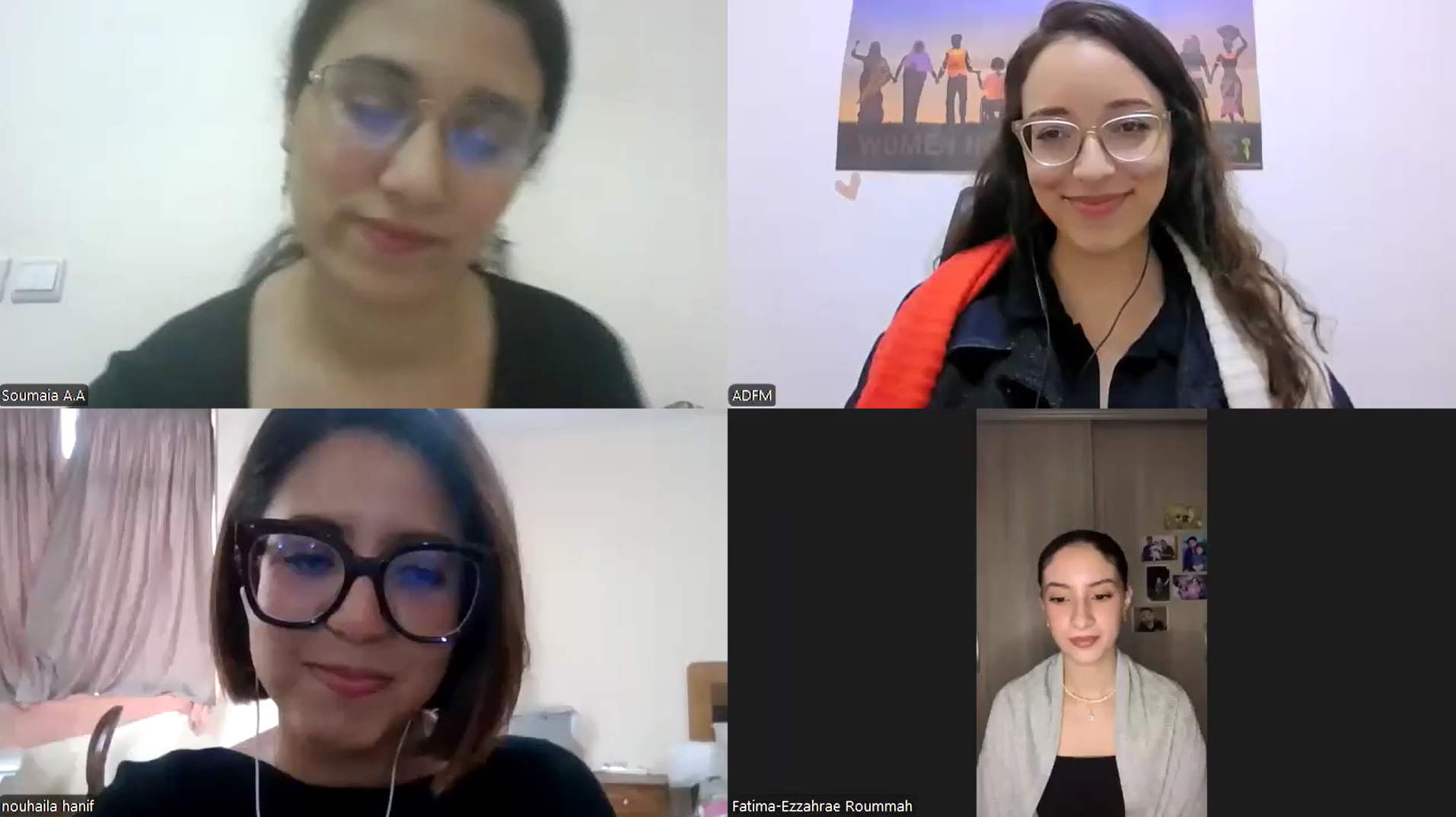
The festival also served as a space for cross-border civil society exchange among partners of WLP and beyond. One featured session highlighted youth activism in Morocco, where the country is undergoing a long-awaited revision of its Family Code, more than 20 years after its last reform. While the original reform was once hailed as a milestone, it continues to codify inequalities and entrench harmful gender stereotypes, leaving many vulnerable to abuse and excluded from full participation in society.
WLP’s partner is Morocco, Association Démocratique des Femmes du Maroc (ADFM) participated in a Zoom session at the festival, bringing together four young activists who shared their experiences promoting legislative initiatives related to Morocco’s Family Code. The discussion explored strategies, challenges, and lessons learned in youth-led advocacy, highlighting the resilience and creativity of young Moroccans and exemplifying the need for global exchange and invigorating youth-led activism for gender equality and human rights.
Defending Civic Space Amid Rising Challenges
The success of the festival did not go without its challenges. A delegation from the International Federation for Human Rights (FIDH), was denied entry into Kyrgyzstan. The Kyrgyz Border Service confiscated passports without explanation and deported the delegates, citing “current legislation” but providing no official written justification.
This denial, occurring shortly after Russia added FIDH to its register of “undesirable organizations,” constitutes a serious violation of freedom of movement, expression, and association, and obstructs open dialogue on human rights. Such measures undermine transparency, cultural exchanges, and the ability of civil society to engage with international expertise.
Bir Duino shared a press release and filed a complaint with the Office of the High Commissioner for Human Rights (OHCHR) branch of the United Nations, publicly condemning the actions and calling for the protection of human rights defenders and the free exchange of ideas.
A Platform for Change
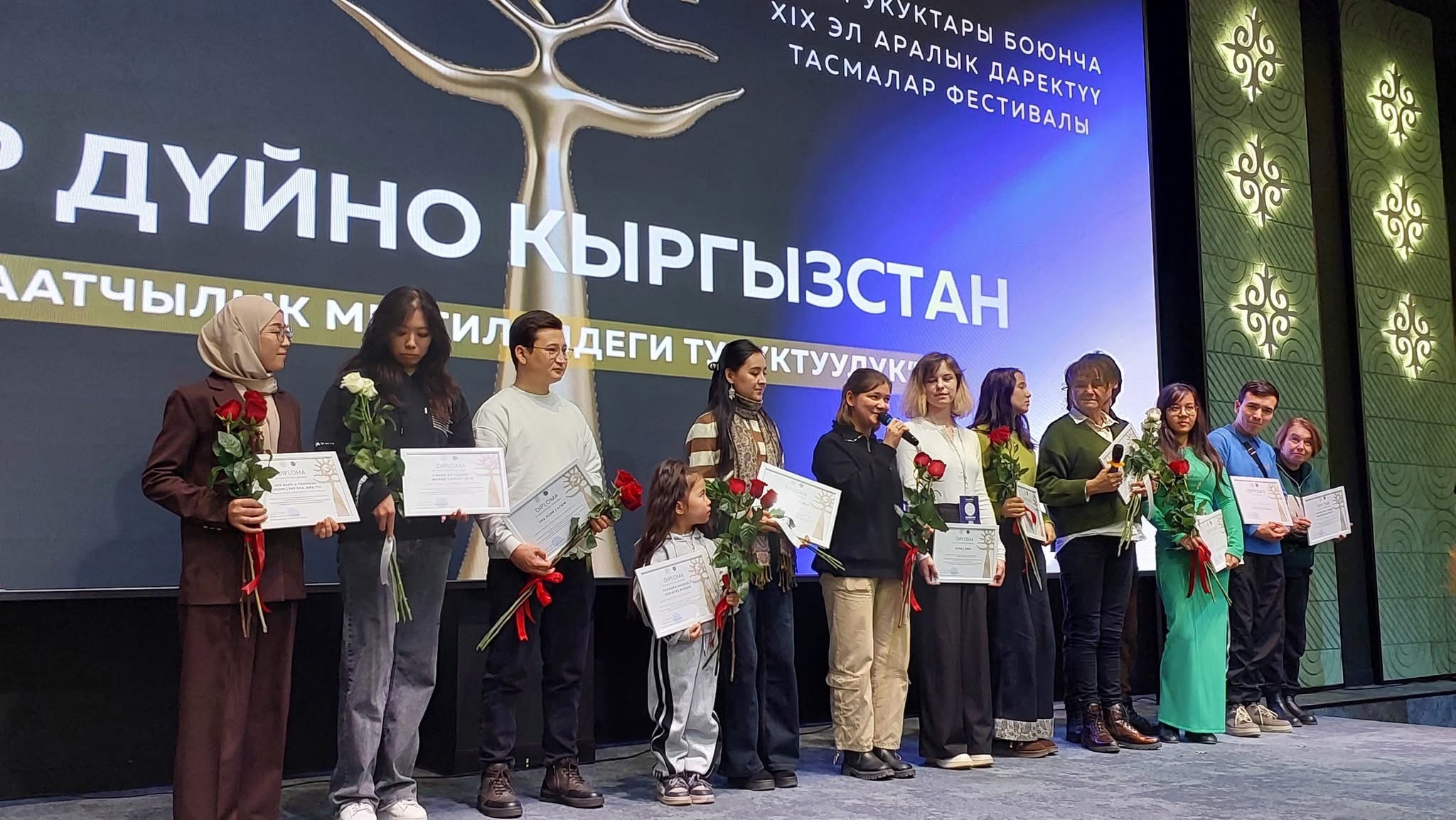
As restrictions on civic space intensify worldwide, platforms that amplify independent voices and foster cross-border exchange are more essential than ever. Bir Duino’s International Human Rights Documentary Film Festival demonstrates how art can serve as a powerful tool for cultural transformation by opening space for dialogue, strengthening civic leadership, and resisting efforts to silence dissent.
Through Women’s Learning Partnership’s transnational model, initiatives like this festival connect local struggles to a global movement for gender justice and democracy. By investing in women and youth storytellers, nurturing public dialogue, and circulating feminist narratives across borders, WLP partners are not only responding to crises, but are also reshaping the cultural foundations that make democratic societies possible, even in the most challenging times.