
“You don’t need a title. You don’t need to be appointed prefect to be a leader. You lead from where you are.”
- Joy Ngwakwe, CEADER Executive Director
Leadership begins long before titles and offices. It begins in classrooms, in quiet acts of courage, and in the moment a girl decides that her voice matters.
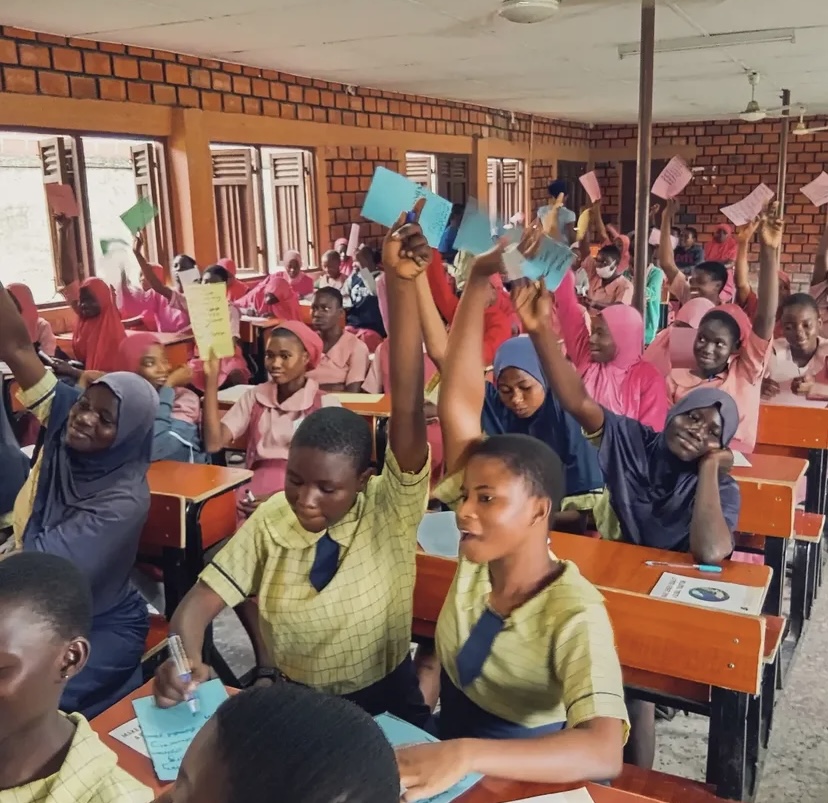
Photo courtesy of: Center for Advancement of Development Rights (CEADER)
That belief has been at the core of CEADER’s youth leadership program in Nigeria, where students are learning how to tap into their personal power and become leaders in their communities.
For the past decade, CEADER has been bringing its leadership program directly into classrooms. The approach is simple but powerful: Meet girls where they are, at the age when cultural messages about gender roles are being written into their identities, and help them reimagine and rewrite their own story.
Changing the Narrative
CEADER's decision to focus on secondary school students is a deliberate one. At that age, many girls are already forming ideas about what is possible for their futures, and those ideas are often shaped by deeply ingrained cultural expectations about what girls are capable of and how they should behave. Later in life, those limiting narratives become harder to unlearn. Working with girls early means intervening before those beliefs take hold.
In Nigeria, as in many parts of the world, girls are conditioned to see leadership as off-limits and their own potential confined to supporting roles. CEADER challenges this belief by engaging students through hands-on exercises that reveal how much leadership potential they already possess.
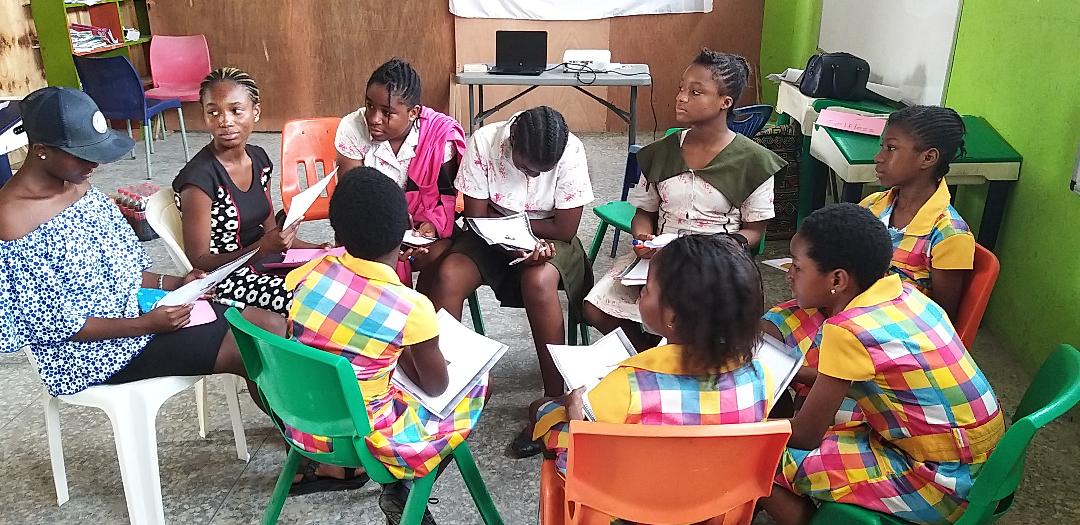
Photo courtesy of: Center for Advancement of Development Rights (CEADER)
CEADER’s workshops focus on gender equality and participatory leadership, helping students understand leadership traits, recognize barriers girls face, and explore ways to challenge them. Through discussions, students are asked to name women leaders they admire. The names come quickly: Economist and former Minister of Foreign Affairs of Nigeria Ngozi Okonjo-Iweala, Lawyer and Former United States Secretary of State Hillary Clinton, Scottish Missionary to Nigeria Mary Slessor. Then the girls work together to identify the qualities these women embody: self-confidence, compassion, and determination. Inevitably, the girls see that they, too, share many of these traits. In another exercise, students are divided into groups and asked to identify a challenge in their community and propose strategies to address it.
“The result is a light bulb moment. After just one hour of conversation, you see the shift – ‘Yes, I am a leader.’”
- Joy Ngwakwe, CEADER Executive Director
These sessions are designed to be interactive, practical, and empowering. Girls are encouraged to think about leadership not as a position but as an attitude that shows up in everyday life. Speaking up in class, taking initiative at home, standing by a decision in the face of pressure, all become acts of leadership.
Bringing Leadership into the Classroom
Where a program takes place can make all the difference in who participates and who is left on the sidelines. CEADER’s early workshops were held in hotels, but participation was limited. Parental consent rules and cultural skepticism often kept girls away, especially those from low-income families. Moving the program into schools changed everything.
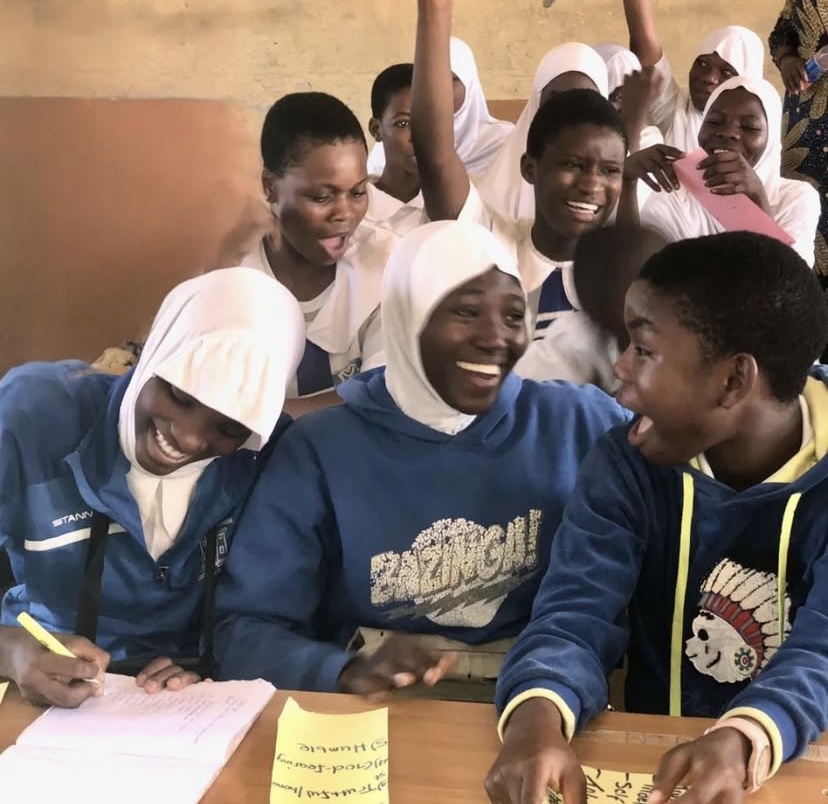
Photo courtesy of: Center for Advancement of Development Rights (CEADER)
In private schools Lagos, CEADER created classrooms where girls felt safe, supported, and included. The success of these early sessions paved the way for a partnership with the Lagos State Ministry of Education, allowing CEADER to expand the program into public schools and reach even more young girls, especially those who might otherwise have been left out.
For many of these girls, this is their first opportunity to be told that their voices matter, that they have the right and the ability to lead.
Bringing Leadership Beyond the Classroom
The transformation is visible. Parents have approached teachers in shopping malls to say how much their daughters have changed, showing confidence, making decisions, and stepping into leadership roles at home. Students have written poems and essays inspired by what they have learned, expressing new dreams and self-esteem. Many have used their new leadership skills to withstand societal pressures, pursuing their convictions in spite of backlash. One student grew determined to pursue law, and although her family initially tried to dissuade her from this traditionally-male field, she now remains committed to her goals and is confident in her ability to achieve them.
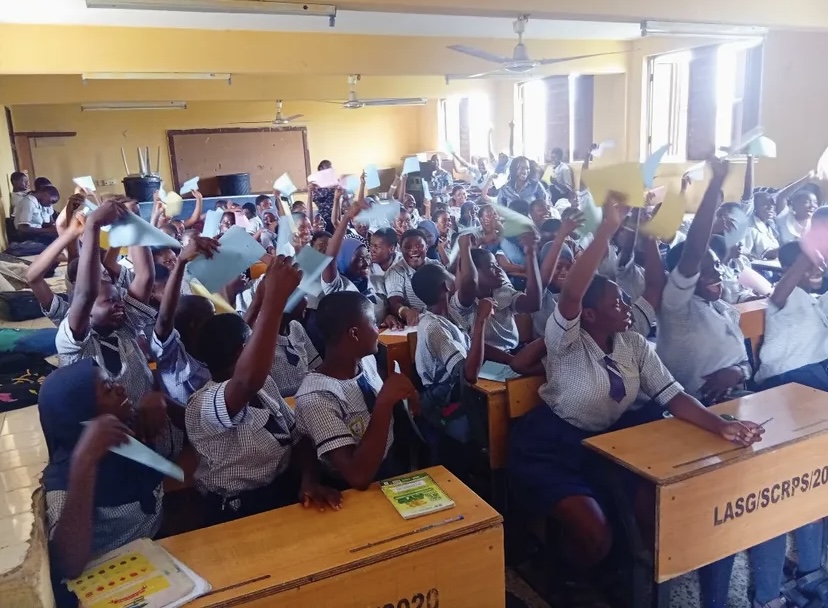
Photo courtesy of: Center for Advancement of Development Rights (CEADER)
These stories are not anomalies. They are part of a growing wave of young leaders who are proving every day that when girls are given tools, encouragement, and opportunities, they transform their futures and their communities.
Looking ahead, CEADER’s vision is to build on this momentum by establishing girls’ leadership clubs in schools. These clubs will create spaces for students to practice leadership, support one another, and engage their teachers and parents in the process.
The goal is not only to train individual girls but to create school and community cultures where leadership by girls is encouraged, celebrated, and sustained.
A Future for Inclusive Leadership
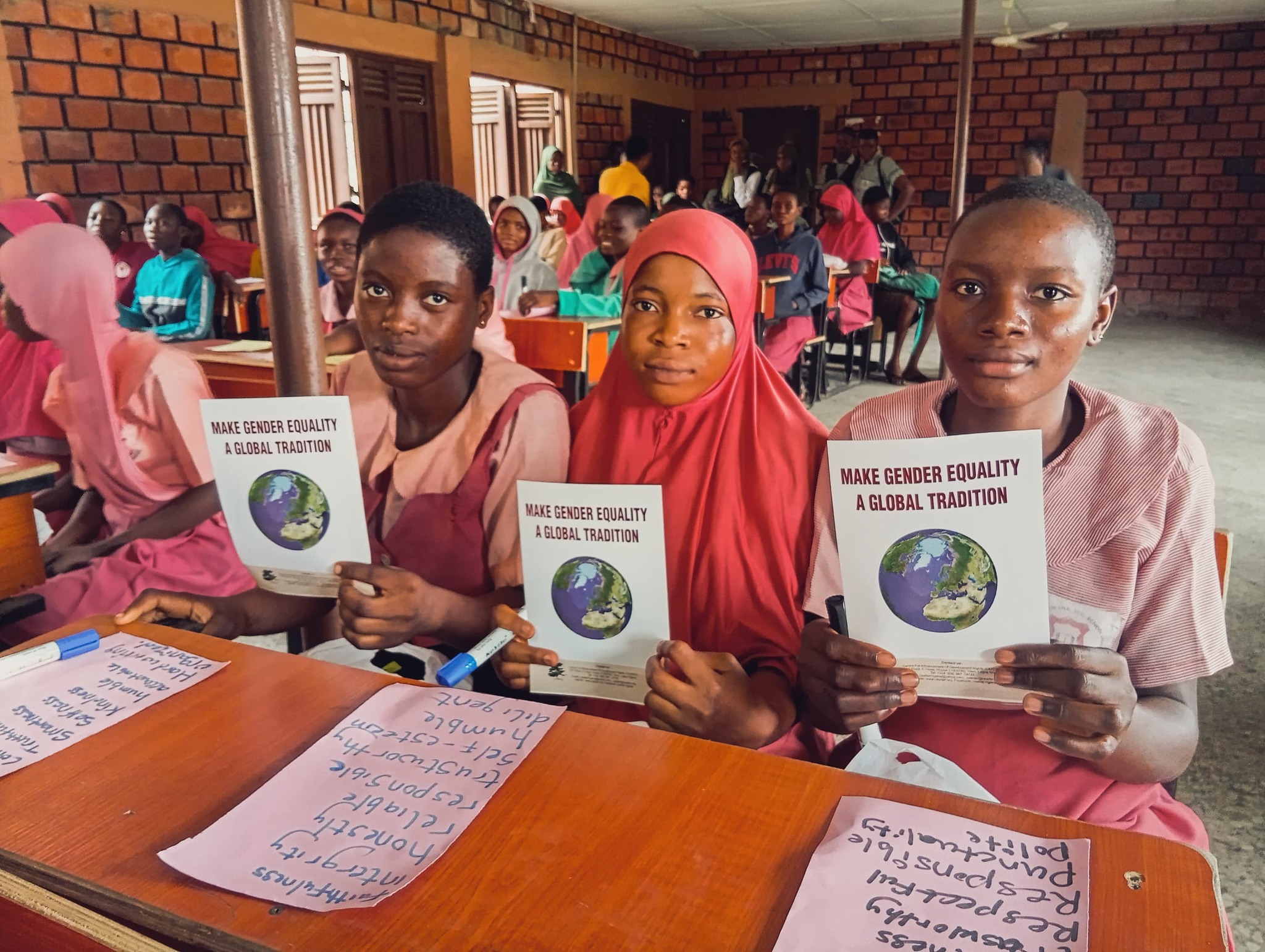
Photo courtesy of: Center for Advancement of Development Rights (CEADER)
At the heart of CEADER’s program lies a simple but profound shift in thinking. Instead of students asking whether a woman can be president, the question is turned back to the students: “Why not you?”
It is in these moments, where doubt turns into determination, that the true power of leadership training emerges.
Leadership is not about titles. It is not about waiting for permission. It is about courage, vision, and using one’s voice to create a safer, more inclusive world.
As hundreds of young girls in Nigeria are discovering through CEADER’s program, leadership begins right where you are.