
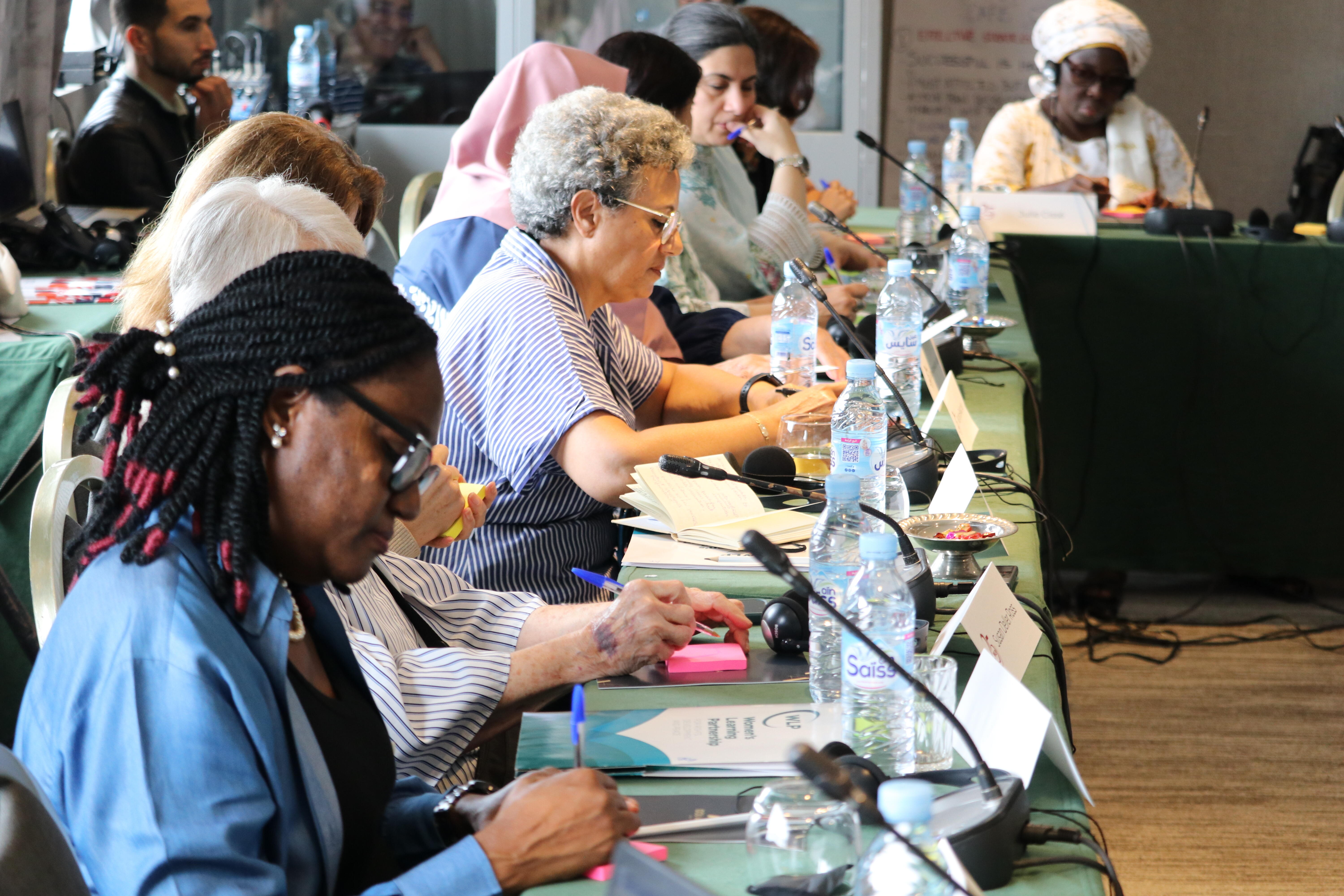
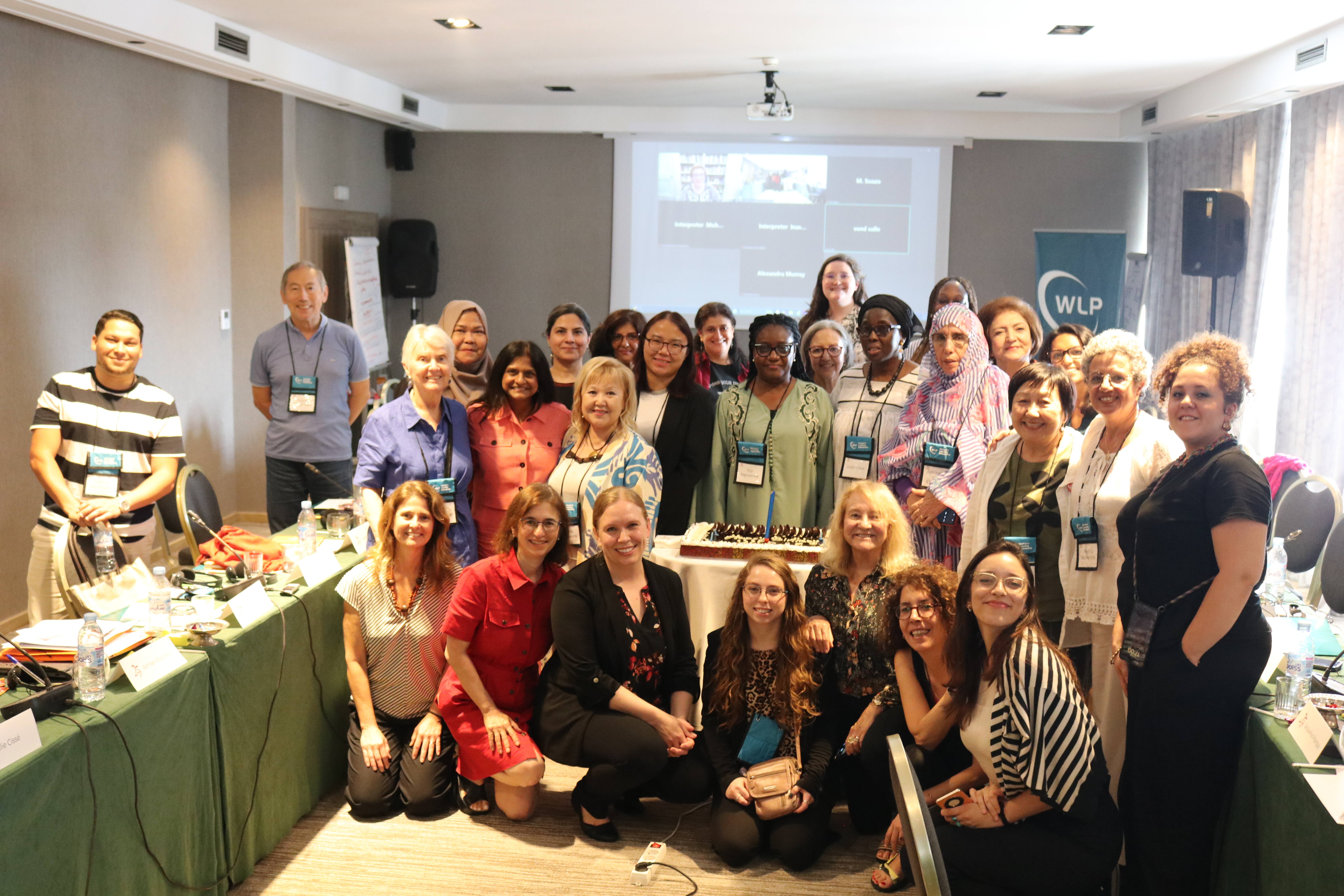
From July 8-11, 2025, Women’s Learning Partnership (WLP) marked a milestone: 25 years of feminist partnership. Leaders from 16 organizations across the Global South came together in Casablanca, Morocco for our anniversary strategy convening, “Resist and Reimagine: The Partnership at 25.”
Over four transformative days, movement leaders, youth advocates, scholars, and allies reflected on our shared journey, confronted today’s mounting crises, and charted a strategic path forward. Against the backdrop of intensifying conflict, climate breakdown, deepening inequality, and backlash against feminist gains, the convening affirmed what has always been WLP’s greatest strength: our collective resilience, care, and solidarity.
“We need to recognize our value, our strength, and our power.
This is why we’re the center of these attacks: because we are powerful.”
— Jacqueline Pitanguy, WLP Brazil (CEPIA)
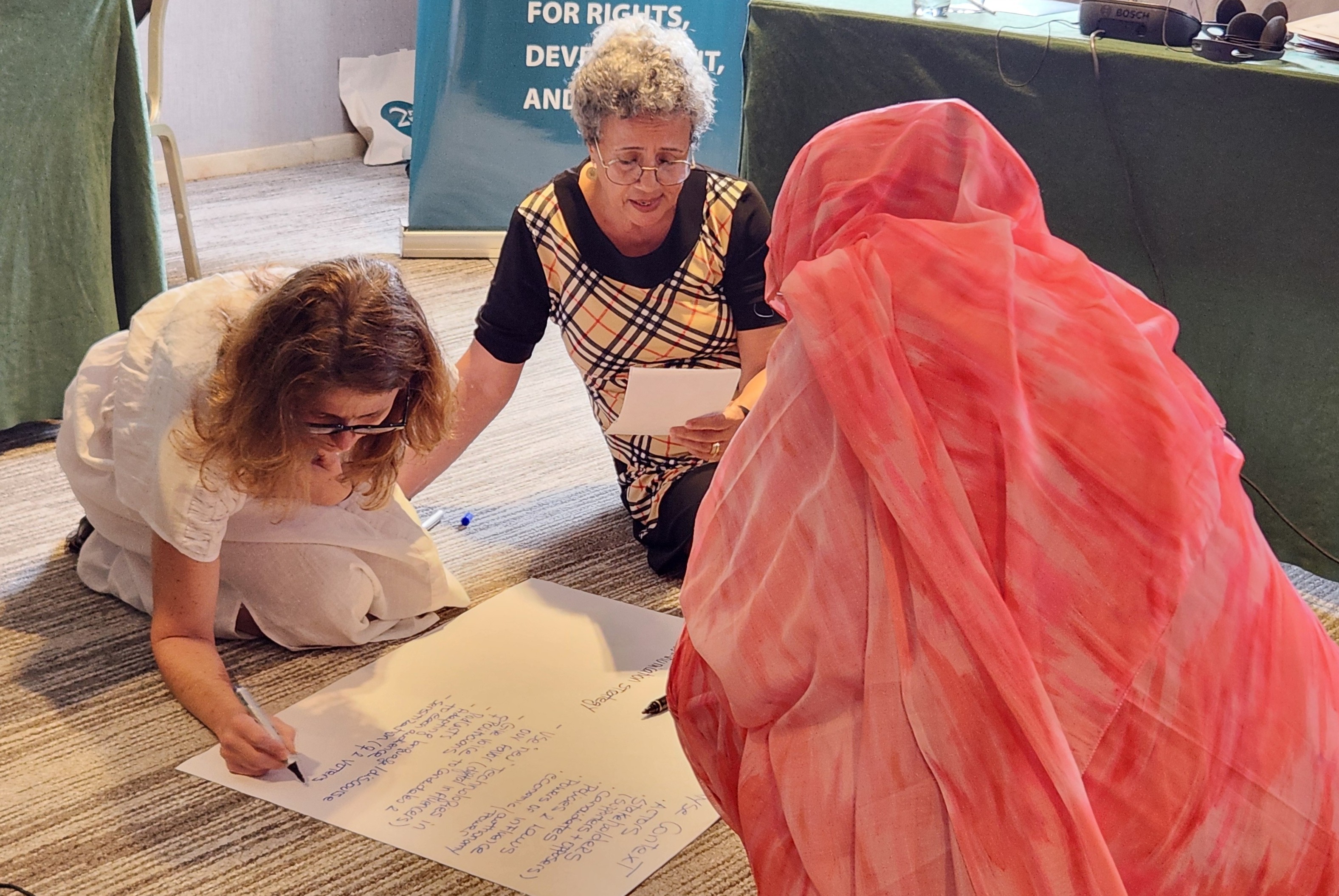
Facing Today’s Realities
Our opening sessions set the tone: while democratic spaces are collapsing and women’s rights are under siege, feminist movements are not only resisting but reimagining. Partners spoke candidly about shrinking civic space, political violence, and donor pressures, while also lifting up stories of courage and transformation, whether through legal reforms, climate justice campaigns, or intergenerational collaboration.
The message was clear: the backlash we face is not random, it is a direct response to the progress feminists have made and the power they hold. Attempts to silence women’s voices, restrict rights, and roll back gains underscore the impact of our movements. This sobering reality does not diminish our resolve; instead, it affirms the urgency of strengthening solidarity, amplifying women’s leadership, and ensuring that progress cannot be undone.
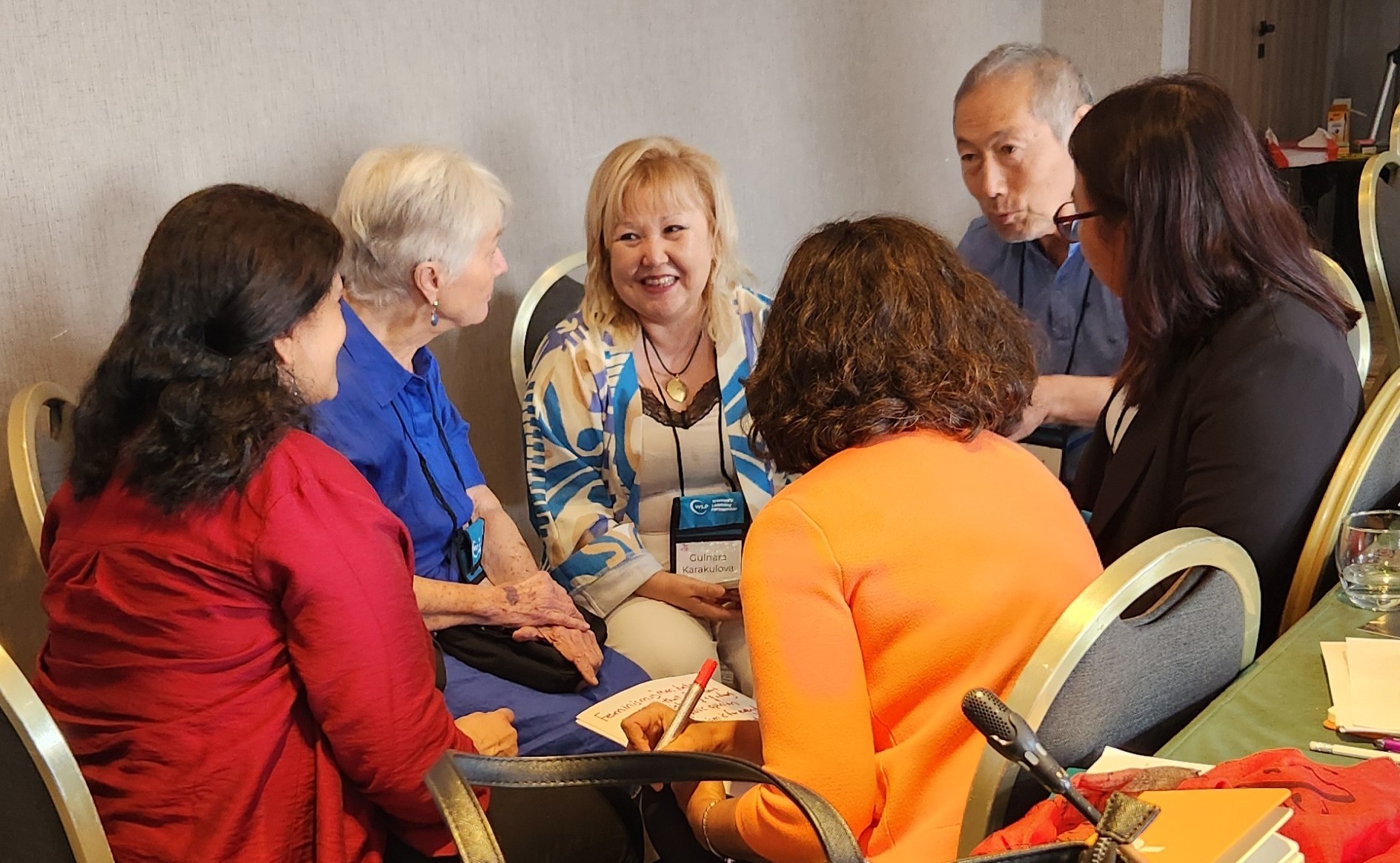
Themes That Emerged
A recurring concern was how language and narratives are being co-opted by anti-rights actors. Participants underscored the importance of reclaiming language, grounding it in local realities, and using it to build collective power. As one partner put it:
“It’s a feminist act to resist and refuse for women to be erased.”
— Taghreed Naser, WLP Palestine
The convening was also a vivid demonstration of intergenerational collaboration. Youth voices stood alongside seasoned leaders, not only as participants but as co-creators of vision and strategy. The dialogue revealed tensions at times, but also a shared determination to build inclusive, adaptive feminist movements.
Partners reaffirmed regional and thematic priorities. From advancing climate justice and family law reform to strengthening feminist crisis responses, they developed strategies to confront today’s most pressing challenges. And throughout, one thread remained constant: the need to care for ourselves and our movements. Collective care was named not as a luxury, but as an act of resistance and a cornerstone for sustaining activism long into the future.
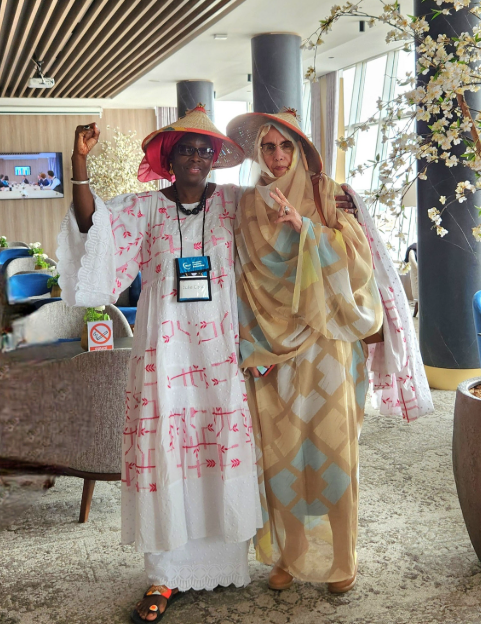
Looking to the Next 25 Years
The convening closed with a collective commitment: to resist division and defeat, and to reimagine futures rooted in feminist values of dignity, equality, and justice.
Our strategic priorities for the years ahead include:
- Political Power & Leadership
- Build pathways for women to enter, influence, and transform political spaces.
- Provide protections and advocacy to counter political violence and exclusion.
- Crisis Resilience & Climate Justice
- Develop feminist-led strategies for humanitarian response and movement resilience in times of conflict, displacement, and repression.
- Link climate justice to women’s land rights and economic autonomy through grassroots and regional advocacy.
- Ending Gender-Based Violence & Advancing Equality
- Address political violence as a key barrier to women’s participation and leadership.
- Advance legal and family law reforms to dismantle structural discrimination.
- Challenge harmful narratives and amplify feminist storytelling to shift public opinion.
These are not just organizational goals; they are strategies for resilience in a world where women’s rights are under attack but also where feminist visions are reshaping what is possible.
Carrying the Flame Forward
Casablanca reminded us that another world is not only possible, it is already being built by women’s movements rooted in courage, imagination, and solidarity. Together, we carry this momentum forward, turning strategies into action, ideas into impact, and solidarity into lasting change across the globe.
“For many of us in civil society, WLP tools are not merely educational, WLP are political instruments of
resistance, resilience, and assurance of a new, better future.”
–Jani Purnawanty Jasfin, WYDII (WLP Indonesia)