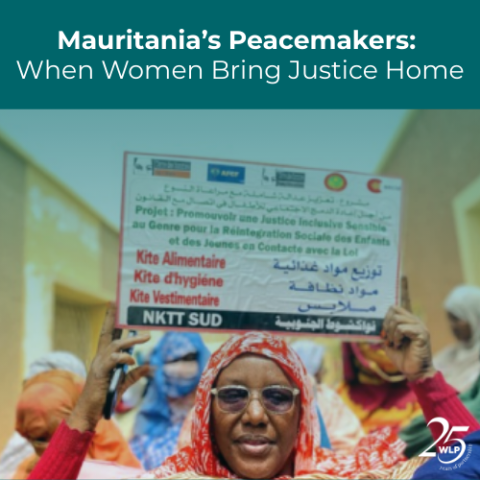
When justice feels distant, it is often women who bring it closer. In communities where courts are far away, stigma silences survivors, and the law feels inaccessible, access to justice depends not only on institutions, but on trusted local actors who can translate legal rights into lived protection.
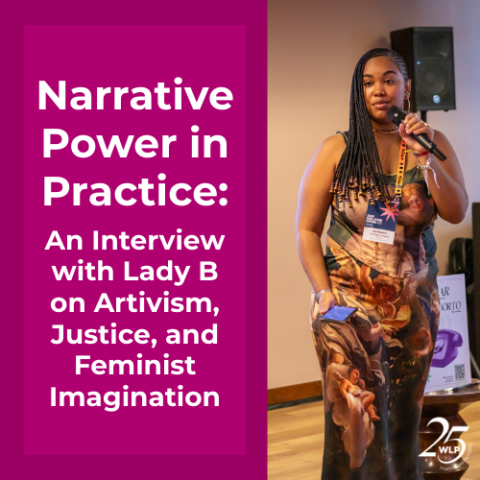
At the Second Global Artivism Conference in Salvador, Bahia, one of the most resonant voices in WLP’s session “From Protest to Performance: Artivism for Gender Justice” was that of Brazilian artivist Lady B, a young Black singer, poet, and long-time collaborator of WLP partner CEPIA.
As civic space shrinks and global crises deepen, women-led movements are increasingly turning to narrative power and artivism to defend human rights, shift culture, and sustain democratic values.
As we look back on 2025, we see a year defined by deepening global crises—political instability, democratic erosion, climate emergencies, shrinking civic space, and intensifying backlash against women’s rights. But 2025 was also a year defined by hope.